

Lettuce
Four-item leaf program built for wet-rack sets and foodservice pull.
Specification
Sizes and packaging differ by variety and are listed with each one below. Ask your desk to confirm counts and grades for your program.
- Varieties
- Iceberg, Romaine, Green leaf, Red leaf
- Origin
- Grown throughout Mexico
- Ships from
- Agrivera East · Pharr, Texas
- Labels
- Sonora Gardens® and Agrivera®
- Availability window
- Year-round
- Case labelling
- GS1 standards, PTI case-level labelling
Quoting this program
This program ships from Agrivera East in Pharr, Texas. Sales runs on +1 (855) 848 6824 ext. 2, or email saleseast@agrivera.com.
Varieties
Four varieties on this program, with the sizes and packaging each one ships in. Tell your desk which you need and we will quote them.

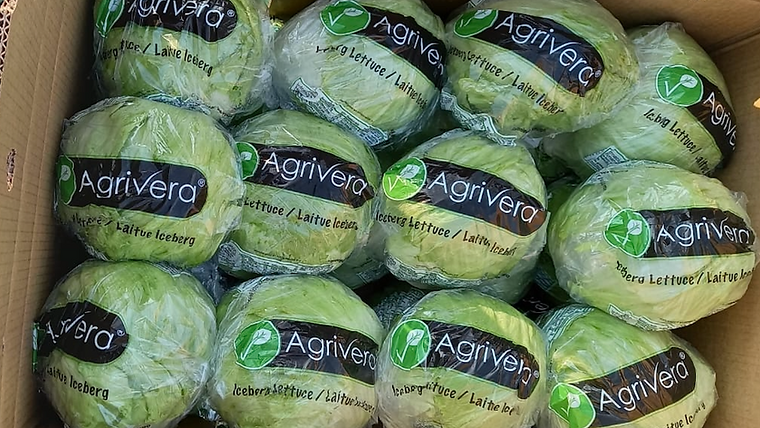
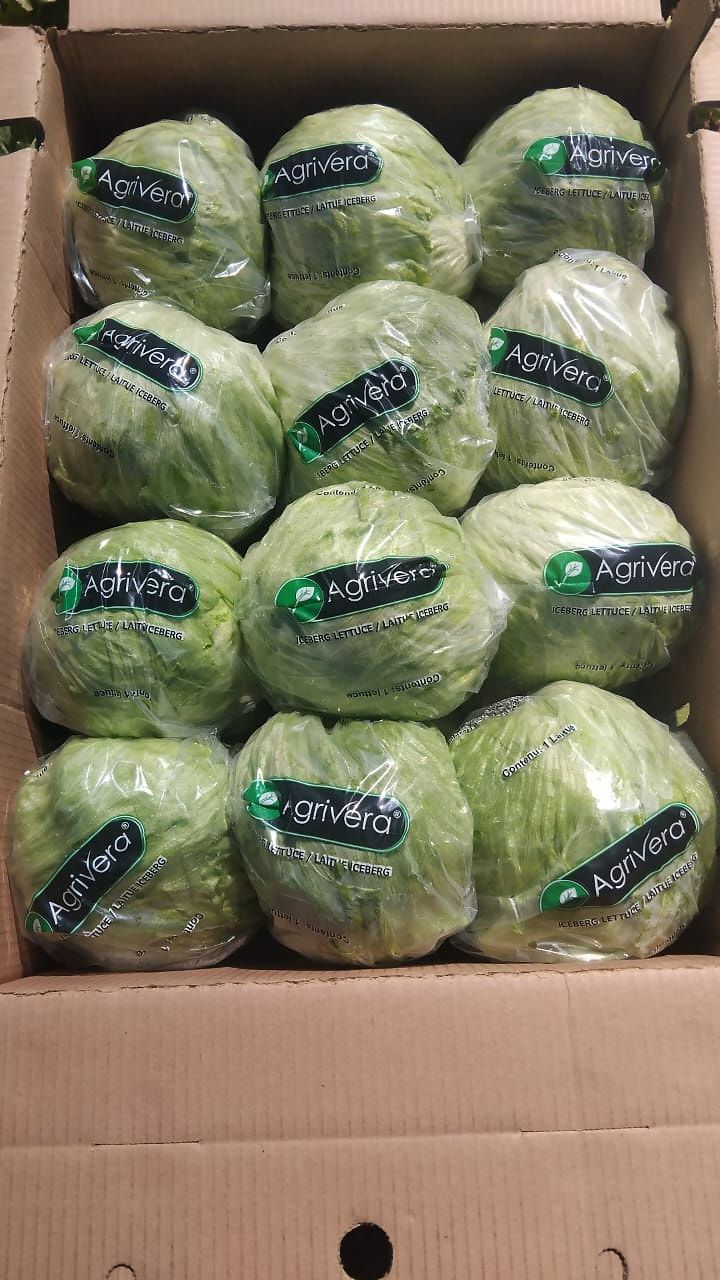
Iceberg
- Sizes
- 24's & 30's cello; 24's & 30's naked
- Packaging
- cartons
%2C%20isolated%20on%20the%20white%20background%20with%20light.jpg)
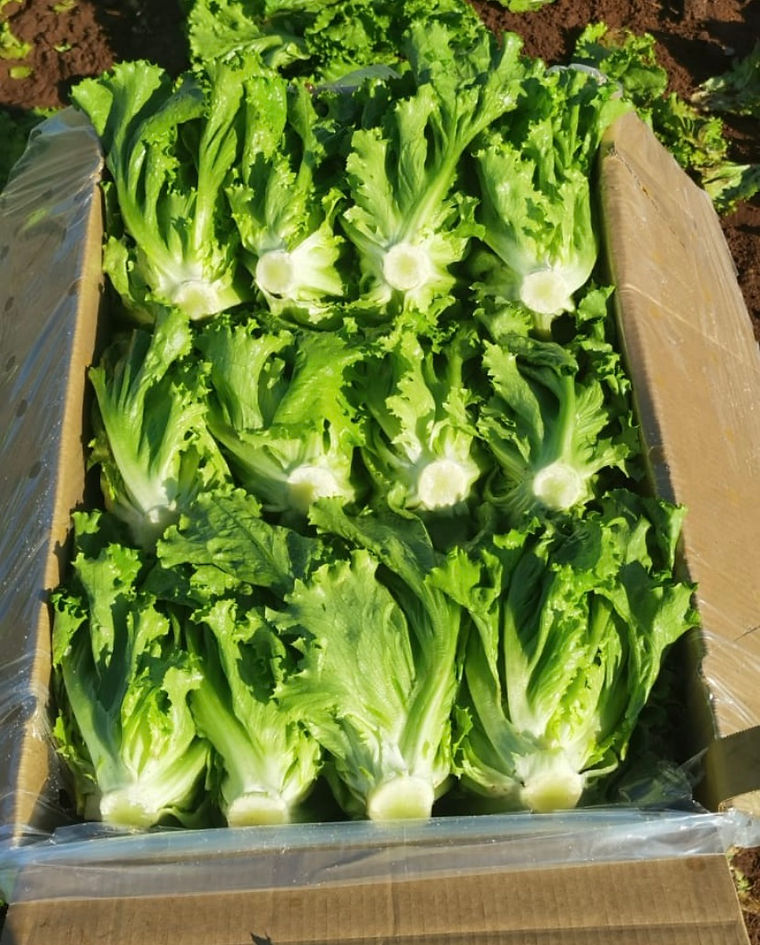
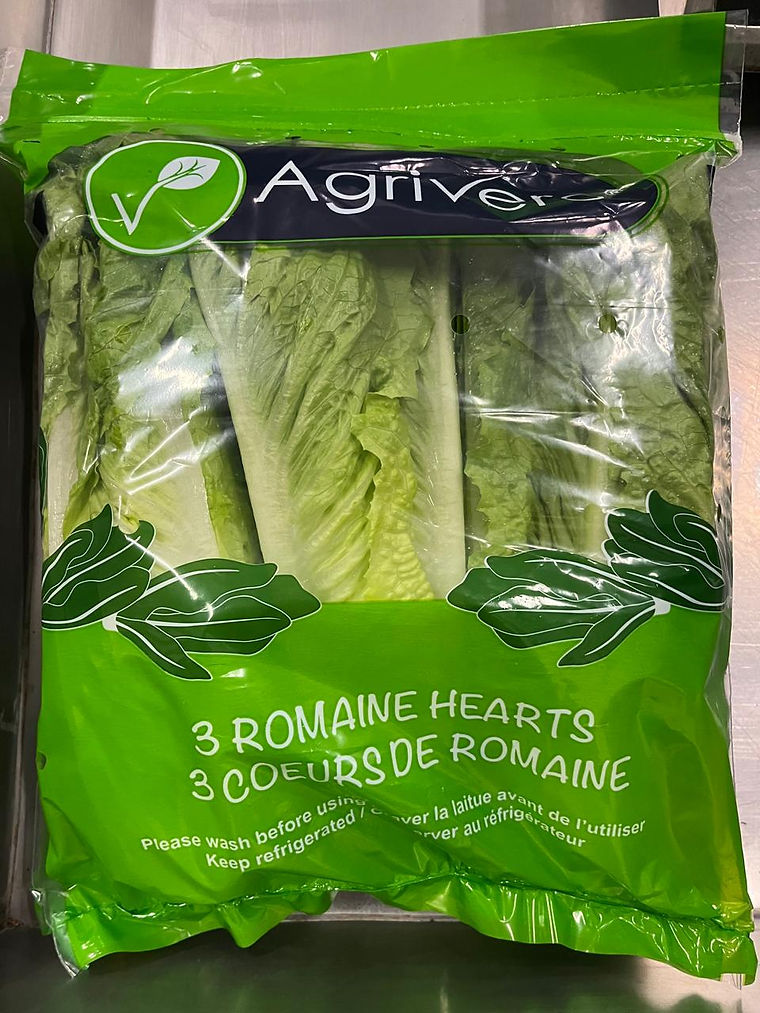
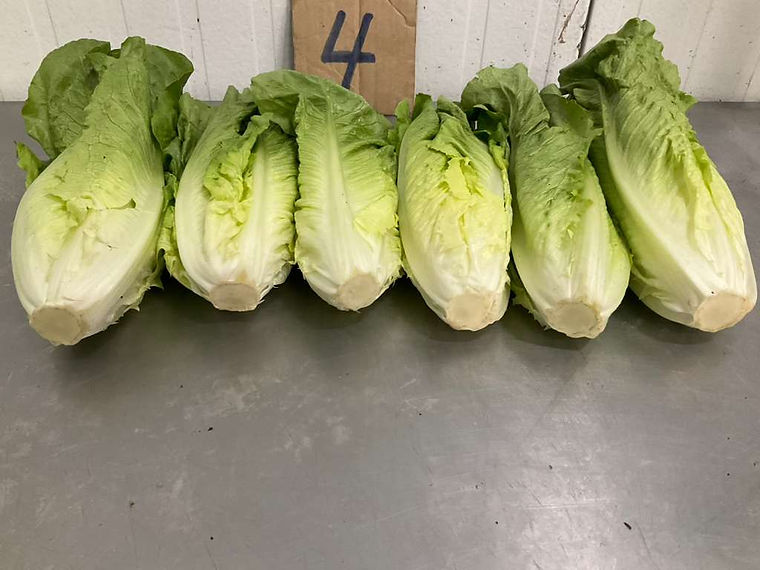
Romaine
- Sizes
- 24's & 30's cello; 24's & 30's naked
- Packaging
- cartons

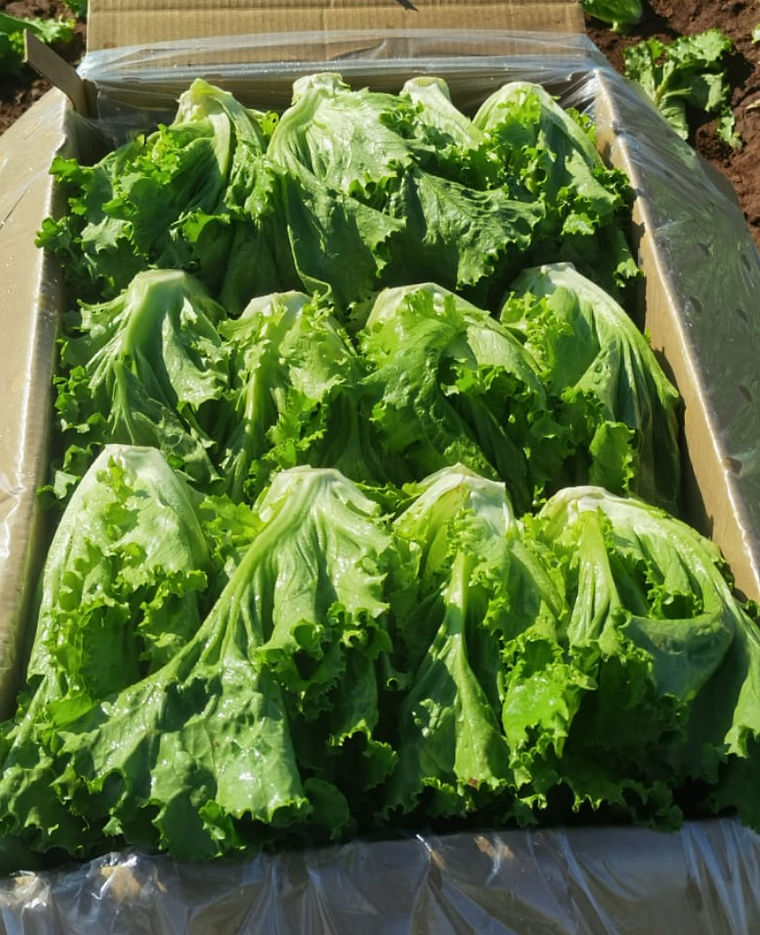
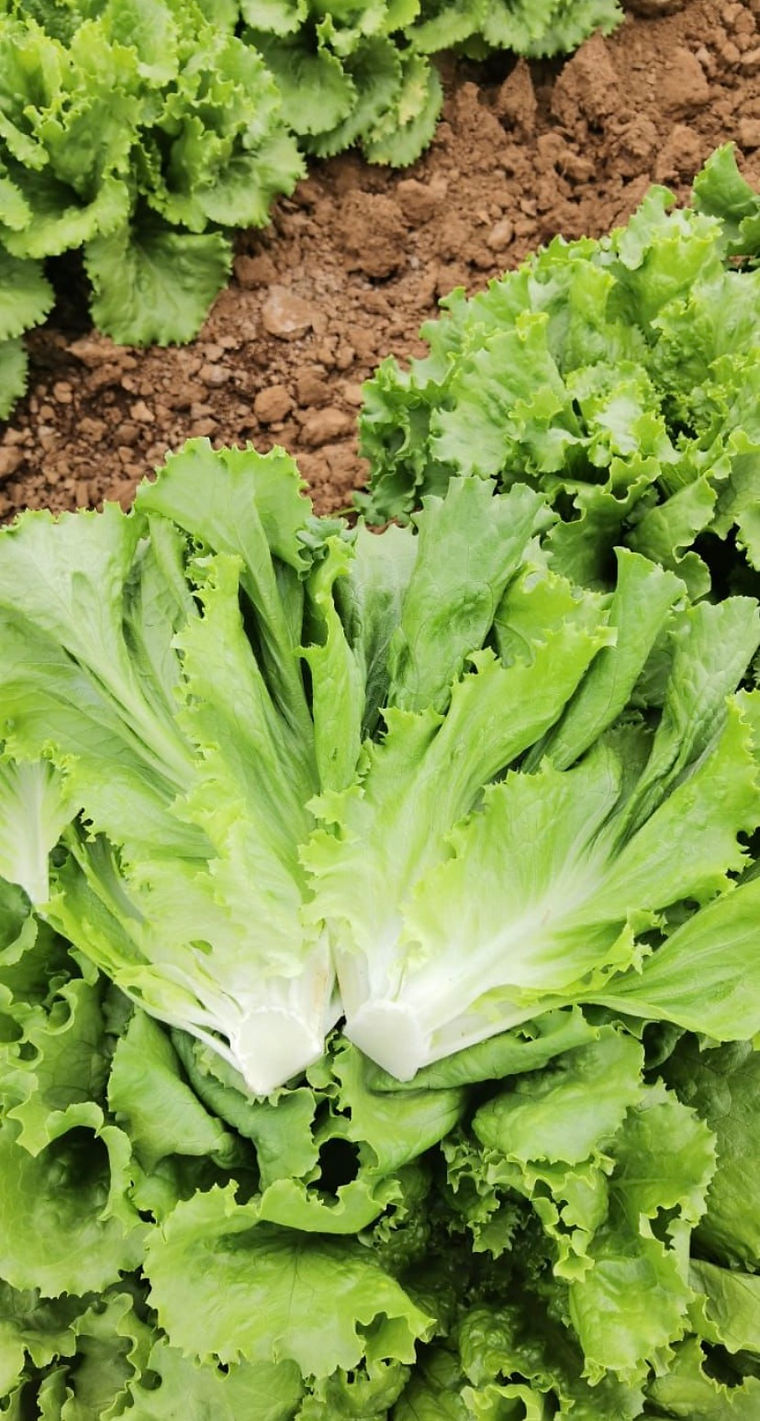
Green leaf
- Sizes
- 24's & 30's naked
- Packaging
- cartons

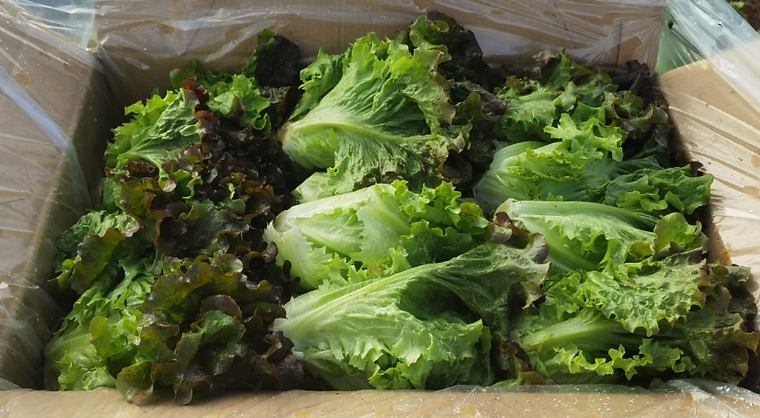
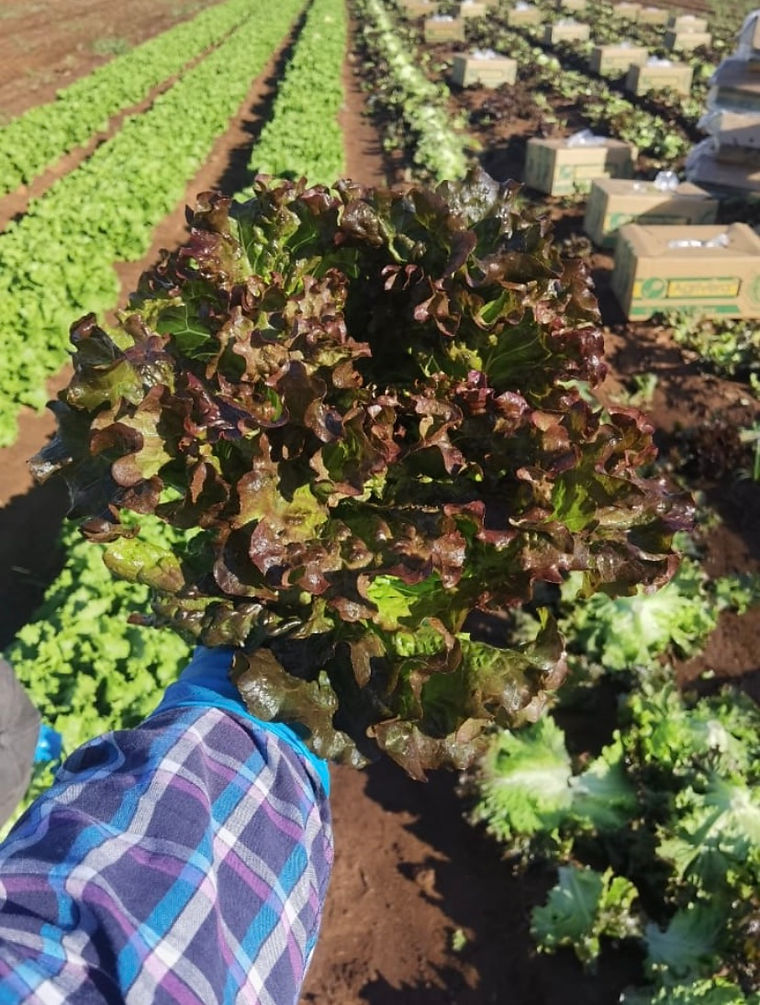
Red leaf
- Sizes
- 24's & 30's naked
- Packaging
- cartons
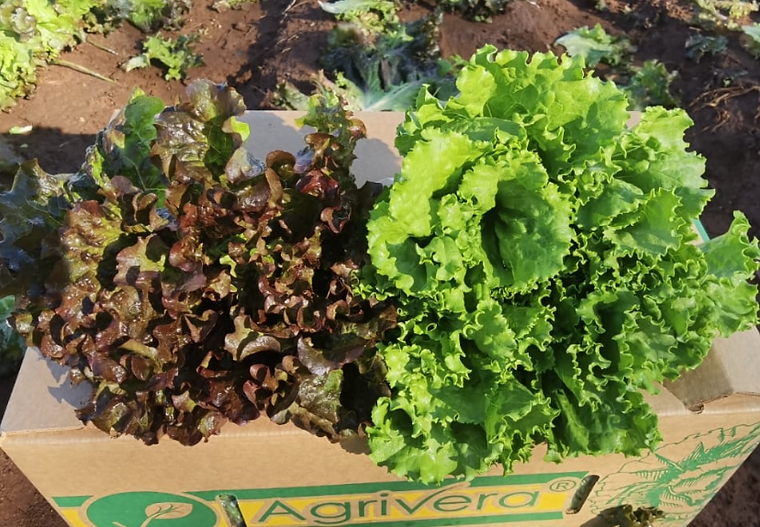
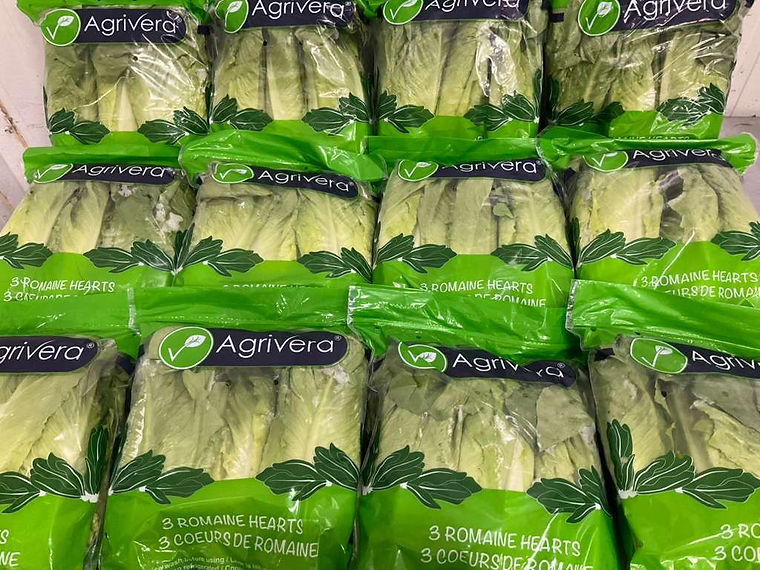
Packed under our label
About the varieties
Iceberg
Iceberg lettuce was developed in the United States in the early 20th century, bred from earlier crisphead lettuce varieties. It was named “iceberg” because growers and shippers used to pack it in ice for transport across long distances.
By the mid-1900s, iceberg lettuce became the dominant lettuce in the U.S. due to its long shelf life, sturdy structure, and visual appeal. Although its popularity declined with the rise of darker leafy greens like romaine and arugula, it remains a staple in diners, fast food, and classic American salads.
Key Benefits
- Extremely low in calories
- High water content, great for hydration
- Provides small amounts of folate, vitamin A, and vitamin K
- Easy to digest and non-bitter
- Works well in low-carb diets as a wrap or salad base
Fun Facts
- Got its name from ice: In the 1920s, iceberg lettuce was packed in ice during shipment, leading to the name.
- The crunch factor: Iceberg is one of the crunchiest greens, making it perfect for sandwiches and texture contrast in salads.
- Low in nutrients, not useless: While not as nutrient-dense as darker greens, it still adds hydration, fiber, and texture to meals.
- Long shelf life: Thanks to its dense head and low oxidation rate, iceberg lasts longer in the fridge than most leafy greens.
- Lettuce cups & tacos: Its cup-shaped leaves are perfect for low-carb taco shells, burger wraps, and lettuce cups in Asian cuisine.
Romaine
Romaine lettuce is one of the oldest known cultivated lettuces, dating back over 2,000 years. It’s thought to have originated in the eastern Mediterranean or Middle East, where it was grown in Egypt and Greece and later spread to Rome—hence the name “romaine.” In Britain and some other regions, it's still called “cos lettuce”, named after the Greek island of Kos.
In modern times, romaine gained popularity worldwide for its crunch, nutrition, and versatility, and it's now widely cultivated in the U.S., Mexico, Canada, Europe, and greenhouse systems globally.
Key Benefits
- Extremely high in vitamin A (as beta-carotene)—great for vision, skin, and immune health
- Rich in folate, crucial for cell function and pregnancy health
- Excellent source of vitamin K, supporting bone and blood health
- Low in calories, high in water—great for hydration and weight control
- Provides more nutrients than iceberg and similar lettuces
Fun Facts
- Caesar salad star: Romaine is the classic lettuce used in Caesar salad, often grilled or chopped.
- Crisp and sturdy: Its leaves are strong enough to hold toppings, making it perfect for lettuce boats, wraps, and tacos.
- Heat-tolerant variety: Compared to other lettuces, romaine can withstand more heat before bolting.
- Hydroponic favorite: Popular in hydroponic and aquaponic systems, allowing year-round production.
- Used as medicine: Ancient Egyptians and Greeks believed romaine had cooling and digestive properties.
Green leaf
Green leaf lettuce traces its ancestry to wild lettuces native to the Mediterranean and Western Asia, cultivated by ancient Egyptians, Greeks, and Romans. The loose-leaf varieties like green leaf were some of the earliest cultivated forms and remain popular for their fast growth and gentle flavor.
It gained prominence in North American home gardens and restaurants during the 20th century as people sought fresher, more tender alternatives to iceberg lettuce.
Today, green leaf lettuce is widely grown in California, Arizona, Mexico, and across Europe in hydroponic and open-field systems.
Key Benefits
- Very high in vitamin A (as beta-carotene), supports vision and skin health
- Excellent source of vitamin K, vital for blood clotting and bone health
- Low in calories, high in water and fiber—great for digestion and hydration
- Contains folate and vitamin C, helpful for immunity and cell function
- A light, nutritious base for meals without overpowering flavors
Fun Facts
- Fast grower: Green leaf lettuce matures in as little as 30–45 days, making it ideal for home gardens.
- No head here: Unlike iceberg, it forms loose rosettes of leaves, not a tight head—easier to harvest leaf-by-leaf.
- Hydroponic favorite: Often grown in hydroponic greenhouses for cleaner leaves and year-round availability.
- Pair with delicate dressings: Its tender leaves are best paired with vinaigrettes or light dressings, not heavy creams.
- Great for wraps: The flexible leaves make excellent low-carb wraps for chicken, tofu, or falafel.
Red leaf
Red leaf lettuce is a loose-leaf variety descended from wild lettuces native to the Mediterranean region, cultivated for over 2,000 years. Its signature red or burgundy pigmentation comes from anthocyanins, antioxidant compounds also found in red cabbage and blueberries.
It gained popularity in North America and Europe in the 20th century as consumers began favoring colorful, nutrient-dense salad greens. Red leaf lettuce is widely grown in California, Arizona, Mexico, and greenhouse hydroponics worldwide.
Key Benefits
- High in vitamin A and K, promoting eye, skin, and bone health
- Rich in anthocyanins, antioxidants that support heart and cell protection
- Low-calorie and hydrating, supports digestion and weight control
- Provides folate and vitamin C, essential for immune function and cell growth
- Adds color and phytonutrients to mixed salads
Fun Facts
- Red = antioxidants: The reddish hue comes from anthocyanins, also found in red wine and blueberries.
- Tender + colorful: Perfect for dishes where color and texture matter—like fresh spring mixes and gourmet sandwiches.
- Picks easily: Like green leaf, red leaf lettuce is a cut-and-come-again crop—harvest outer leaves and it keeps growing.
- Mild taste: Despite its bold color, red leaf lettuce is not bitter, making it kid-friendly and versatile.
- Grows fast: Ready to harvest in 30–45 days, ideal for garden beds and container gardening.


Let's talk about your program
Tell us the categories, the volume, and the windows you need covered. We will come back with pricing and a supply plan.