

Soft squash
Three soft squash types graded to size and moved fast on a short cold chain.
Specification
Sizes and packaging differ by variety and are listed with each one below. Ask your desk to confirm counts and grades for your program.
- Varieties
- Green ("Italian"), Grey ("Mexican"), Yellow straight neck
- Origin
- Grown throughout Mexico
- Ships from
- Agrivera West · Rio Rico, Arizona
- Labels
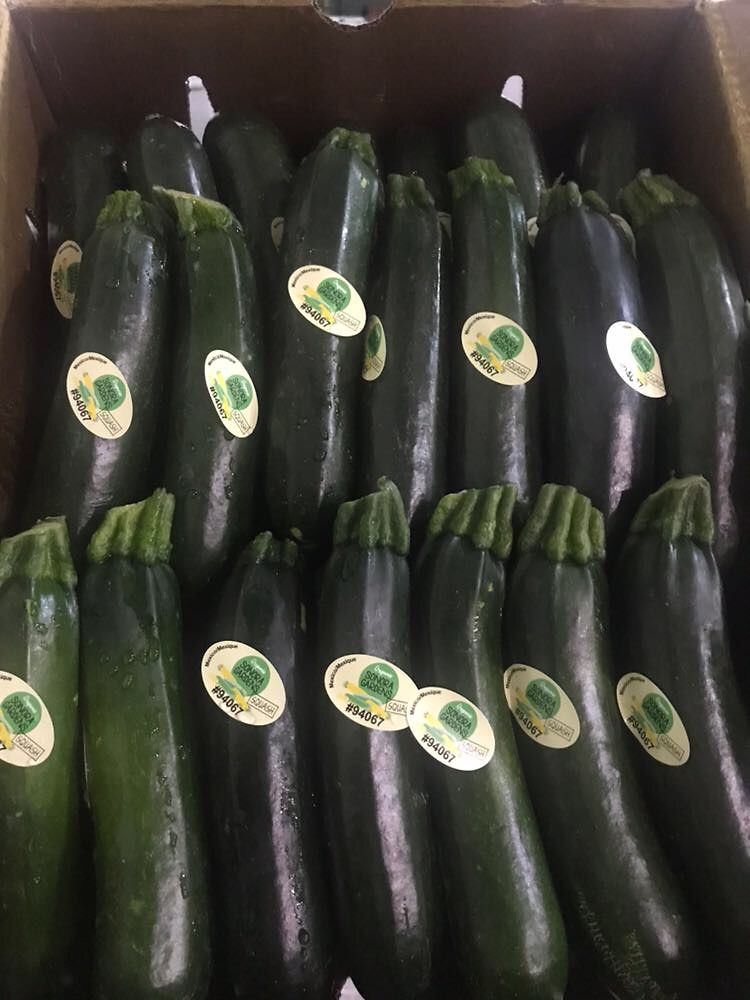
- Sonora Gardens® and Agrivera®
- Availability window
- November to May
- Case labelling
- GS1 standards, PTI case-level labelling
Quoting this program
This program ships from Agrivera West in Rio Rico, Arizona. Sales runs on +1 (855) 848 6824 ext. 1, or email saleswest@agrivera.com.
Varieties
Three varieties on this program, with the sizes and packaging each one ships in. Tell your desk which you need and we will quote them.

Green ("Italian")
- Sizes
- xfancy, fancy, medium, large
- Packaging
- 4/7 bu; 1 1/9 bu

Grey ("Mexican")
- Sizes
- xfancy, fancy, medium, large
- Packaging
- 4/7 bu; 1 1/9 bu

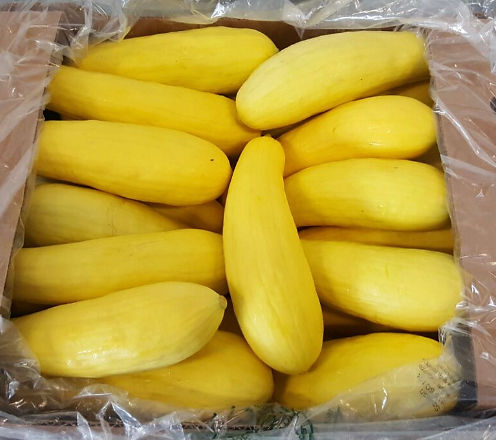
Yellow straight neck
- Sizes
- xfancy, fancy, medium, large
- Packaging
- 4/7 bu; 1 1/9 bu
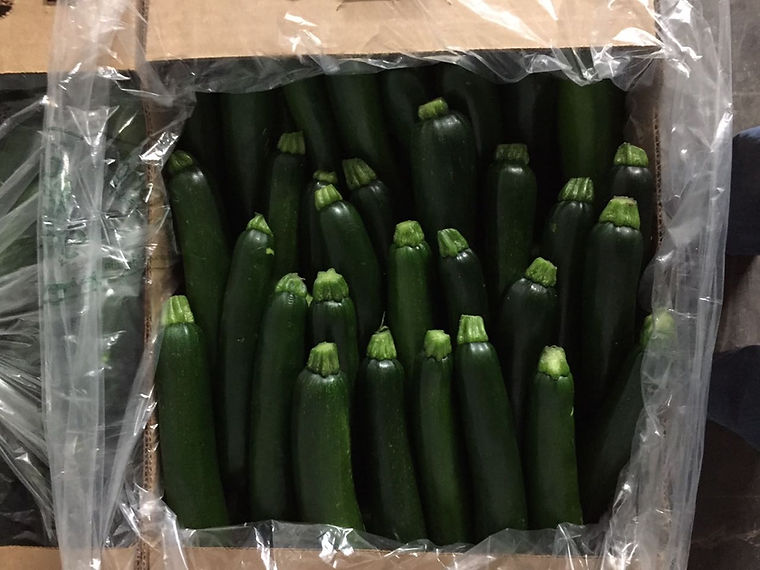
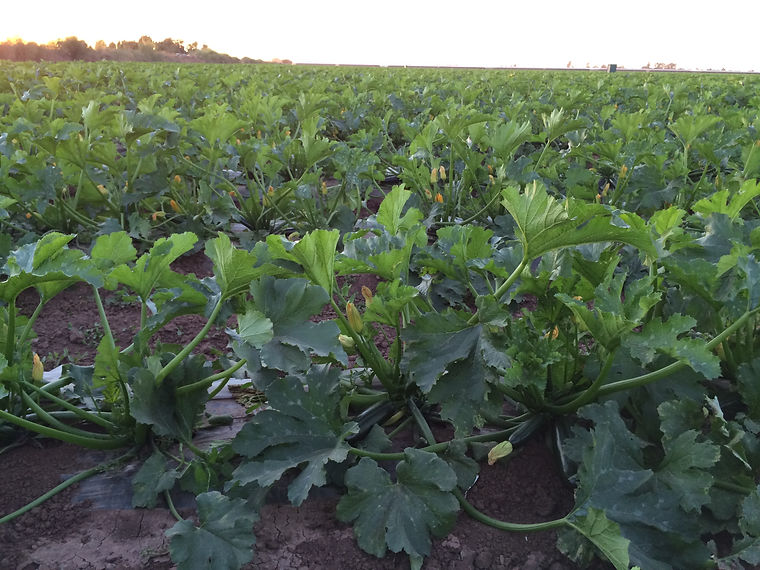
Packed under our label
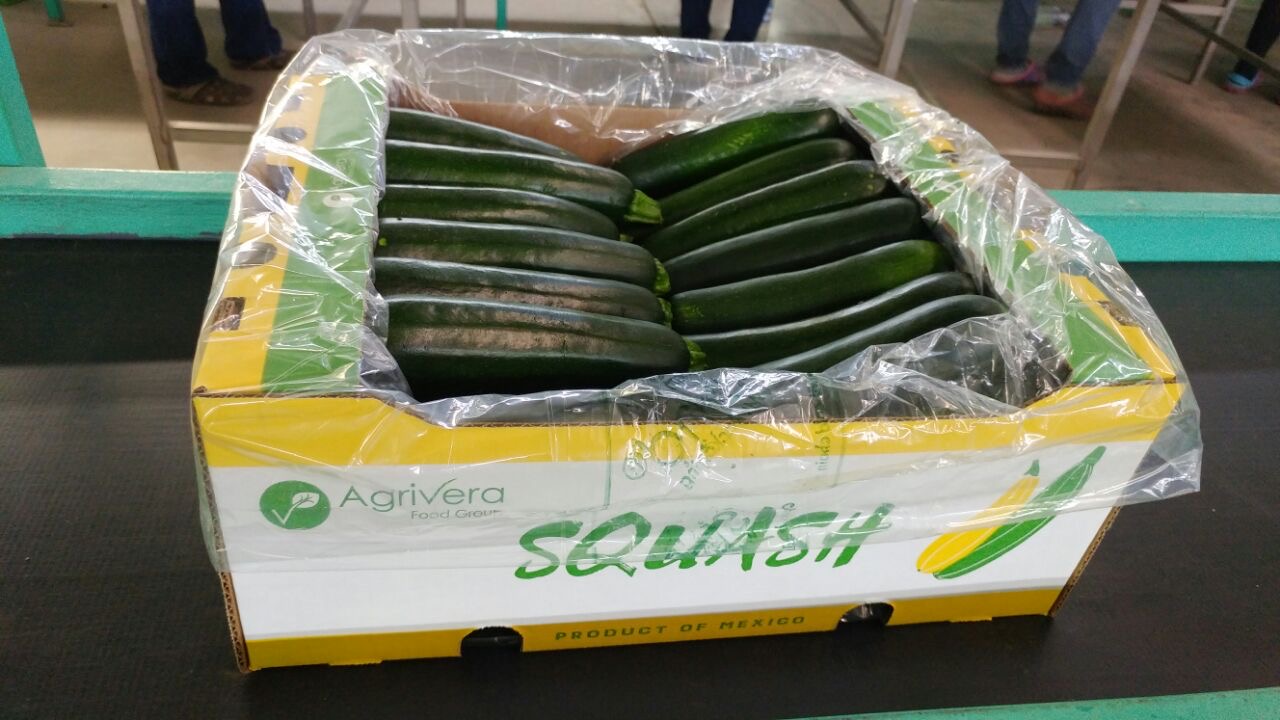
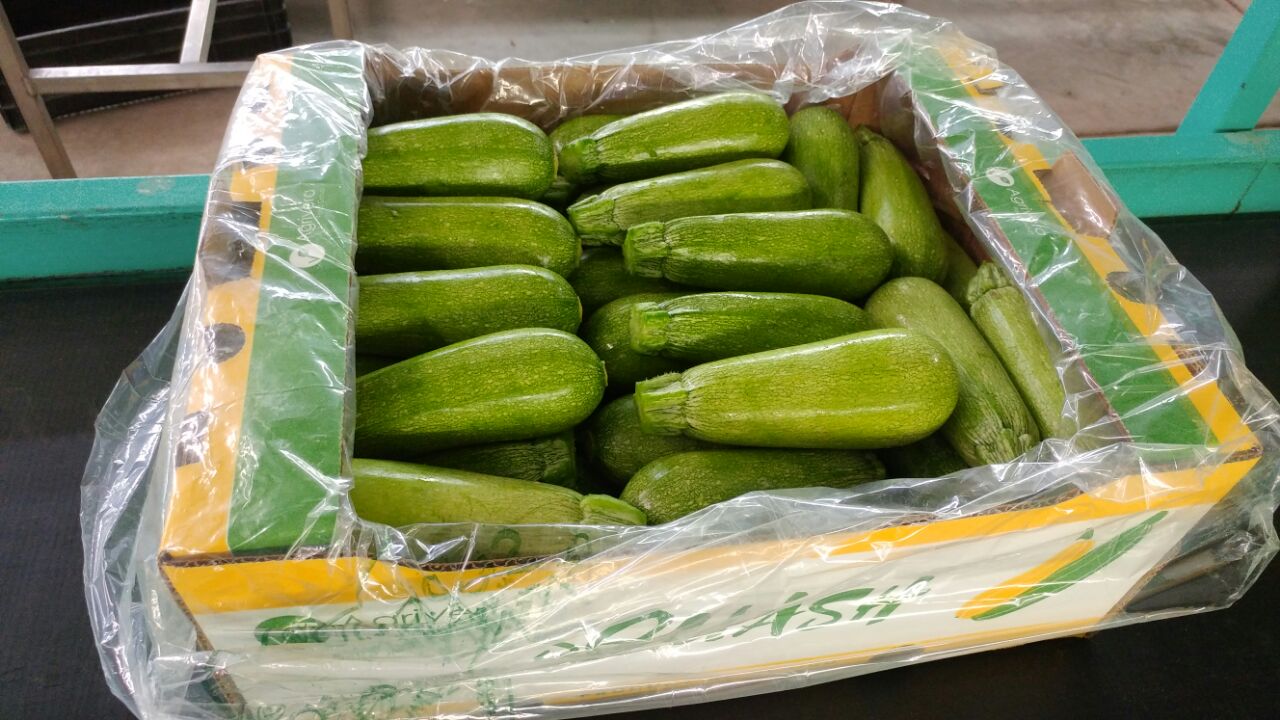
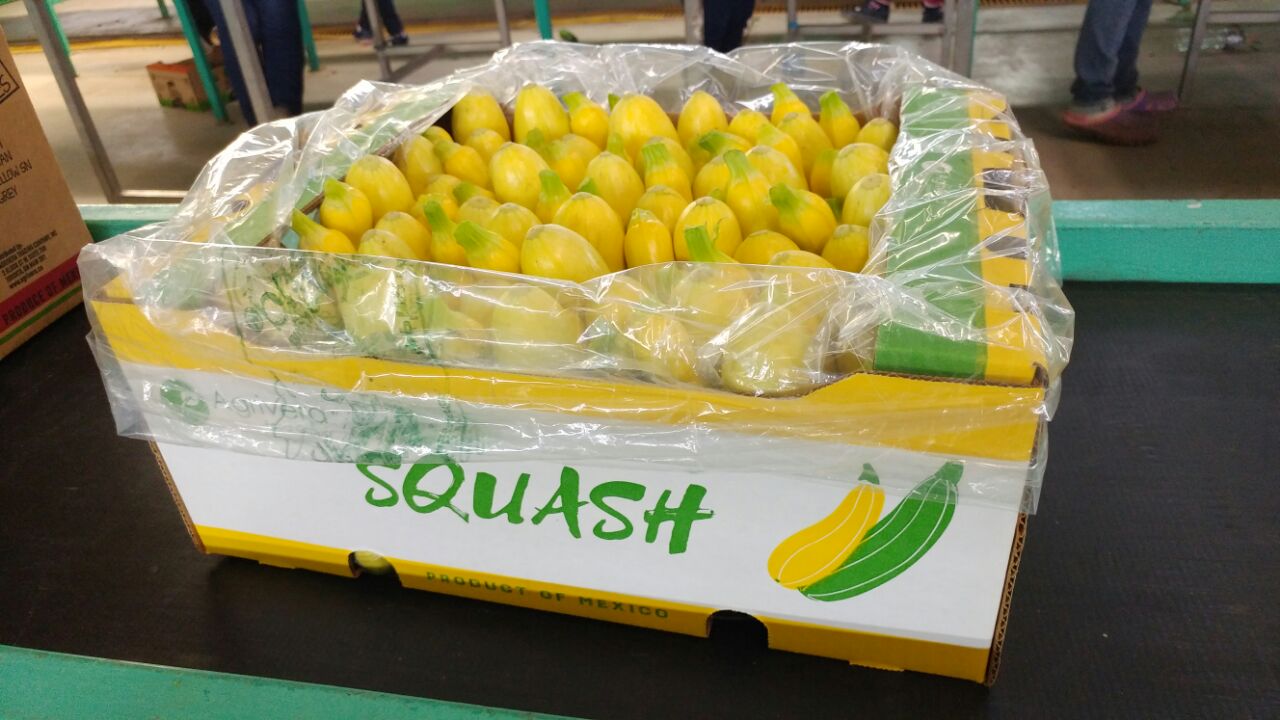
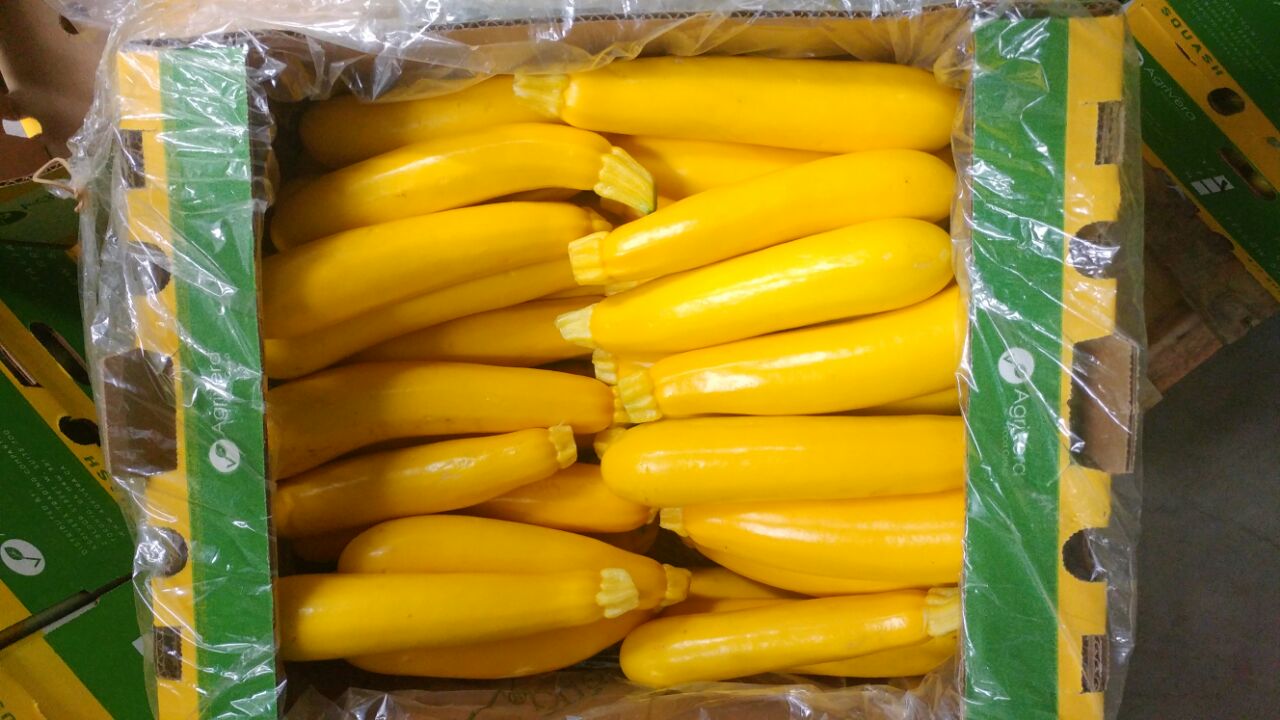
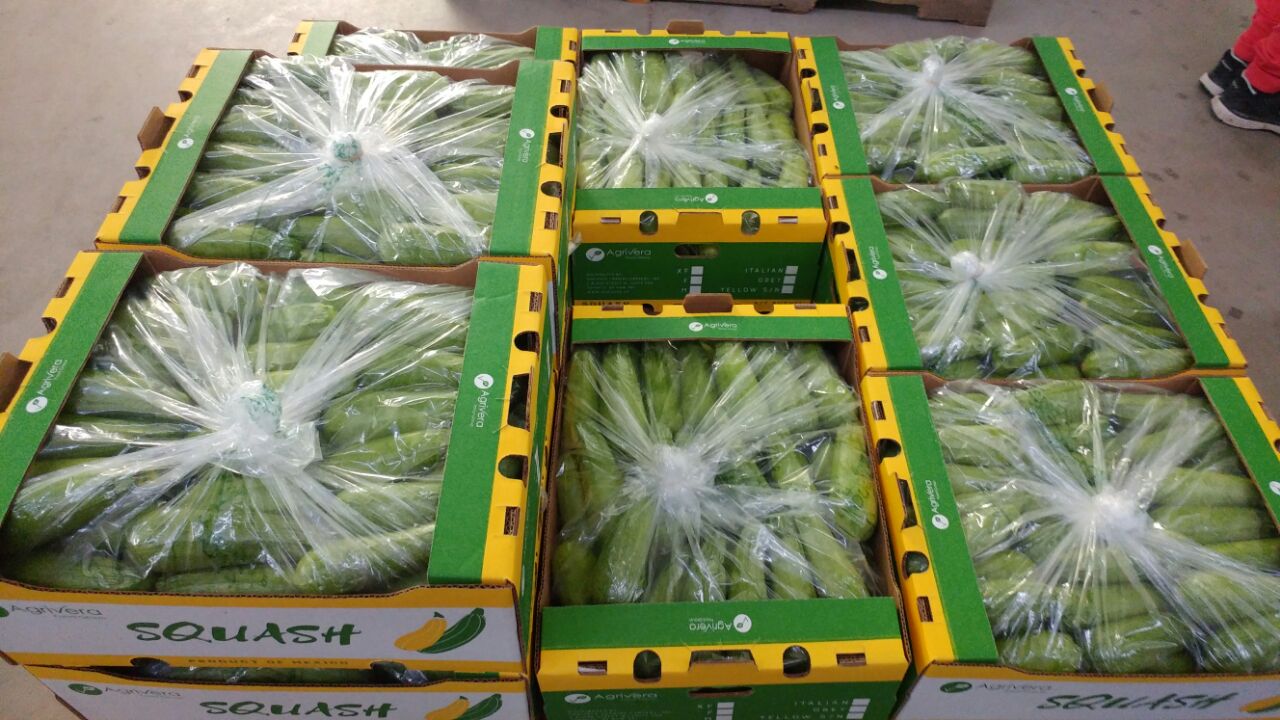
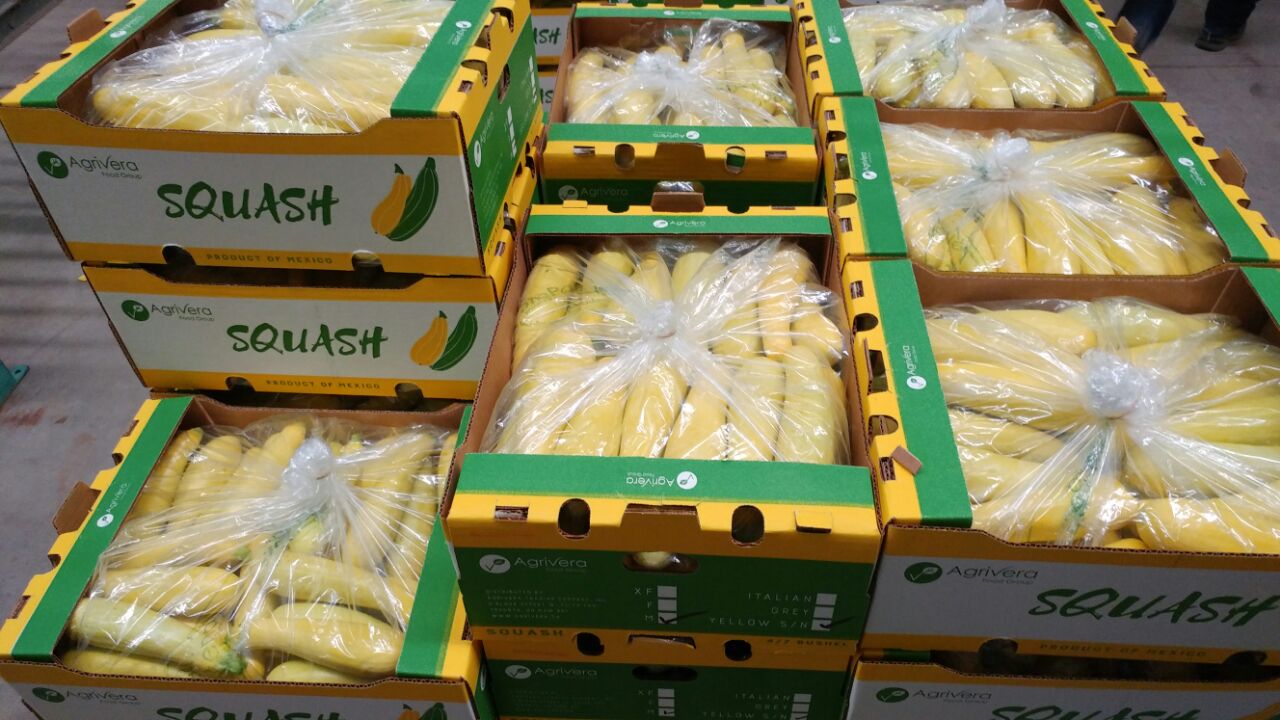
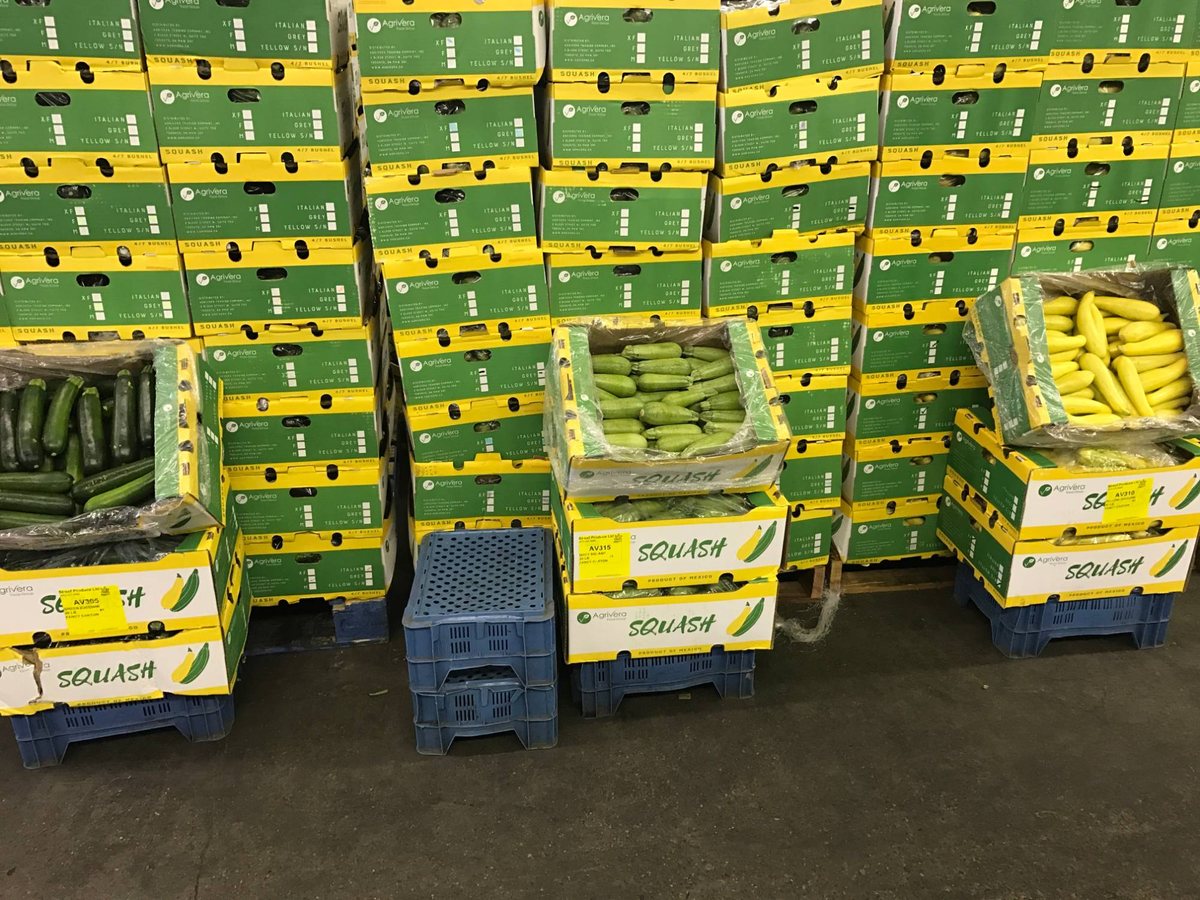
About the varieties
Green ("Italian")
Zucchini traces its ancestry to Mesoamerican squashes cultivated as far back as 7,000 years ago. However, modern zucchini as we know it today was developed in Italy during the 19th century, especially around Milan.
It was introduced to North America by Italian immigrants in the early 20th century. The word “zucchini” comes from the Italian zucchino, meaning "little squash." In the UK, it’s called courgette, a term borrowed from French.
Today, green zucchini is widely grown and consumed around the world, prized for its versatility, mild flavor, and fast growth cycle.
Key Benefits
- Very low in calories, ideal for weight loss diets
- High water content aids in hydration
- Provides antioxidants like lutein and zeaxanthin (good for eye health)
- Mild diuretic effect may help reduce bloating
- Supports digestion and blood sugar regulation
Fun Facts
- Eat it all: The entire zucchini is edible—skin, seeds, and even flowers (zucchini blossoms are a delicacy).
- Peak freshness = small size: Smaller zucchinis (6–8 inches) are more tender and flavorful than oversized ones.
- Zoodles revolution: Zucchini can be spiralized into “zoodles” (zucchini noodles) as a low-carb pasta alternative.
- Summer squash: Zucchini is classified as a summer squash because it’s harvested while still immature, unlike hard-skinned winter squash.
- World record: The longest zucchini ever recorded was over 8 feet long!
Grey ("Mexican")
Gray zucchini has its roots in Mexico and the American Southwest, where it has been cultivated for centuries by Indigenous peoples. Known locally as calabacita, it is a staple in Mexican and Southwestern cuisines—especially in traditional dishes like calabacitas con queso.
Unlike the dark green European-style zucchini, gray zucchini was bred and adapted for arid climates and continues to be widely grown in Sonora, Sinaloa, New Mexico, Arizona, and California.
It's part of the broader “summer squash” category, prized for its short growing cycle and productivity in hot environments.
Key Benefits
- High in water and low in calories
- Good source of vitamin C, B vitamins, and potassium
- Supports hydration, digestion, and metabolism
- Naturally tender and cooks quickly
Fun Facts
- Cooks faster than green zucchini: Its softer skin and denser flesh make it ideal for grilling, roasting, and sautéing.
- Beloved in Mexican cuisine: Central to dishes like sopa de calabacita, calabacitas con elote, and huevos con calabacita.
- Drought-tolerant variety: Especially suited for dry, hot climates, making it a reliable crop for arid regions.
- Thicker and shorter: Gray zucchini is typically shorter and rounder than the slender European green zucchini.
- You can eat the flowers: Like other summer squashes, its blossoms are edible and delicious when stuffed or fried.
Yellow straight neck
Yellow squash is native to the Americas, domesticated by Indigenous peoples over 7,000 years ago. It was widely grown in what is now Mexico and the southeastern United States. Spanish and English colonists adopted it early on, and it became a southern kitchen staple by the 1700s.
Today, yellow squash is one of the most popular summer squashes in the U.S., appreciated for its quick cooking time, high yields, and versatility in both fresh and cooked dishes.
Key Benefits
- Extremely low in calories, good for weight loss
- High in hydrating water content
- Contains antioxidants like beta-carotene and vitamin C
- Easy to digest and suitable for all ages
- Mild diuretic and anti-inflammatory properties
Fun Facts
- Grows fast: Yellow squash can go from flower to harvestable fruit in as little as 4–7 days.
- Straightneck vs. crookneck: Both are yellow, but crooknecks have bumpier skin and a curved stem end—popular in Southern U.S. cooking.
- Skin-on is fine: No need to peel—its skin is thin and edible, and full of nutrients.
- Good grilled or sautéed: Holds up well to quick cooking, often used in stir-fries, grilled veggie plates, and casseroles.
- Companion plant: In gardens, yellow squash helps deter pests and shade out weeds when grown with corn and beans (Three Sisters method).
Also from Rio Rico, Arizona
Everything below ships from the same point of sale, so it can go on the same order.






Let's talk about your program
Tell us the categories, the volume, and the windows you need covered. We will come back with pricing and a supply plan.